
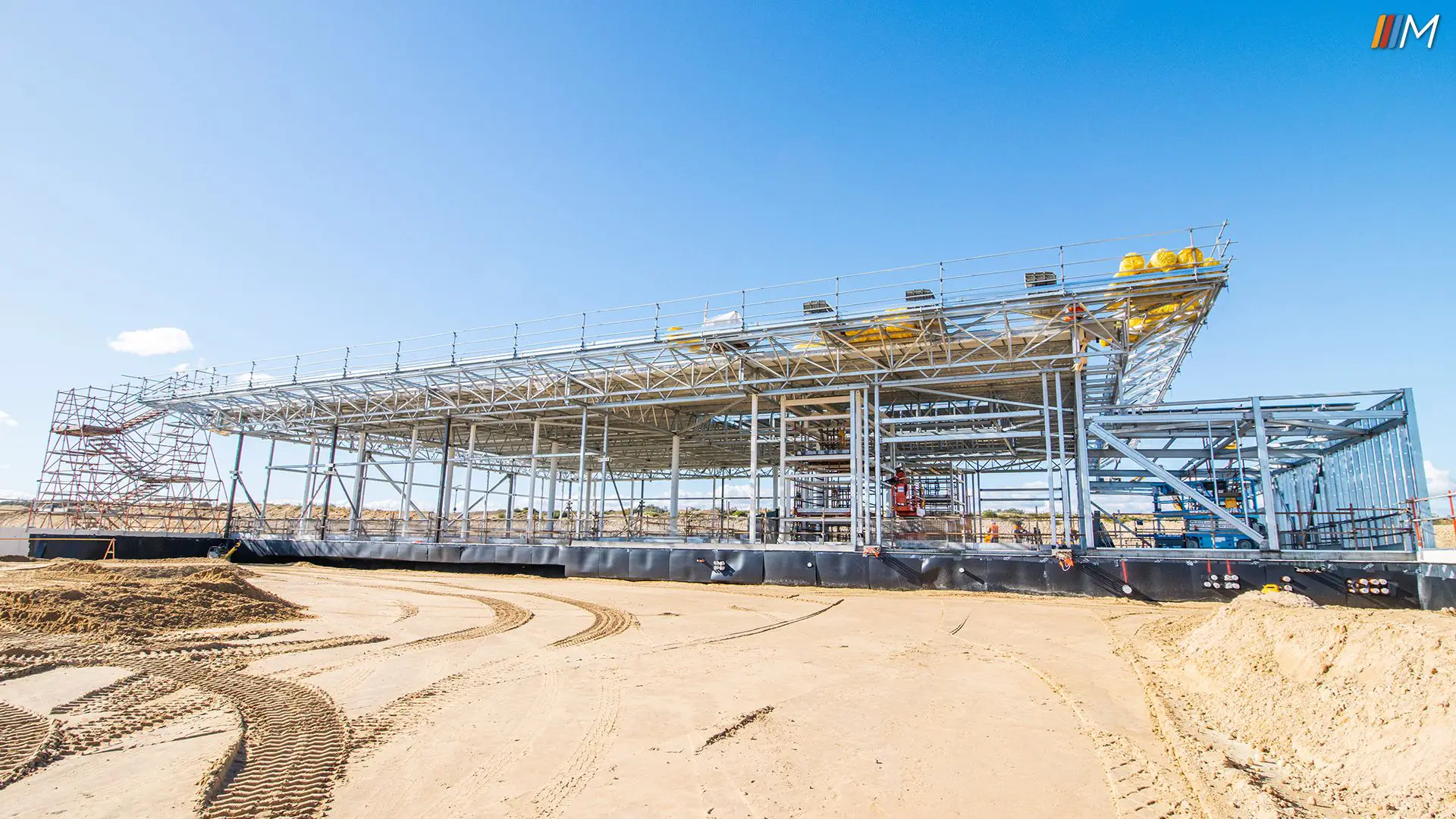
YRE Stations

Project delivery and traceability

Certainty built into every project

A fabrication package succeeds on planning, communication and traceability as much as on workshop capacity. Fremantle Steel Group runs every project through the same controls: a schedule linked to the client’s programme, progress tracked at component level, and a quality record built as the work is done rather than assembled at the end.

Fabrication progress is visualised in a 4D environment combining Navisworks with Primavera P6, so the client sees which members are cut, assembled, welded and tested, treated, dispatched and delivered. Each component carries a QR code that follows it through those stages, tying the piece to its material certificates, weld records and inspection results.

The system is certified to ISO 9001:2015 and audited annually, and it produces the inspection and test plans, manufacturer’s data reports and traceability records that infrastructure, resources and defence clients require.
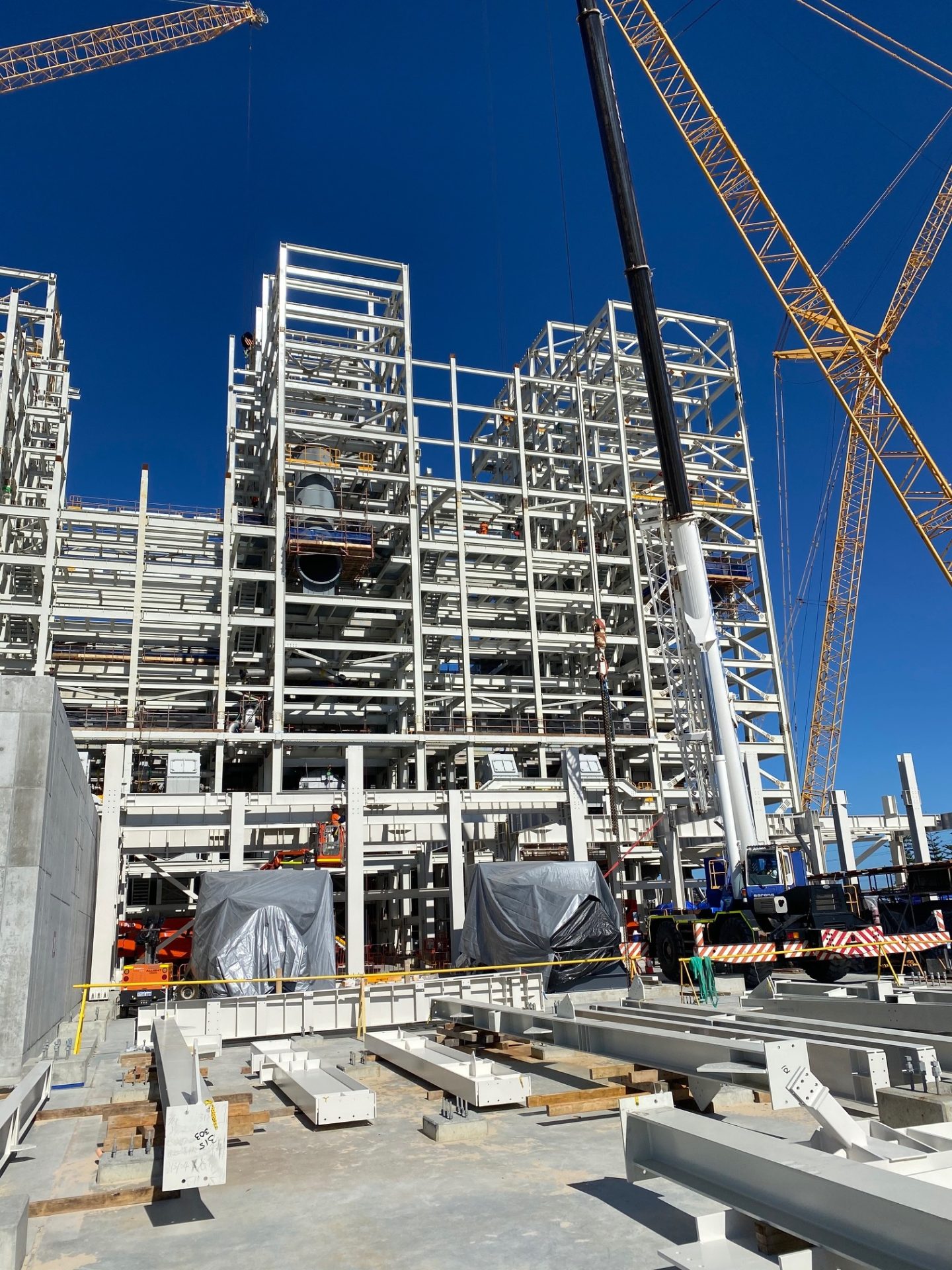
Fremantle Steel commenced material procurement and fabrication promptly and delivered this work to meet the project quality and schedule requirements.

Paul Hidma Project Manager BAM Clough Joint Venture
FAQs

Common questions

How does Fremantle Steel Group manage project quality?

Through an integrated management system certified to ISO 9001:2015 since 1996. Each project has an inspection and test plan with hold and witness points agreed with the client, welding is controlled under AS/NZS ISO 3834 Part 2, and non-destructive testing, dimensional checks and coating inspection are recorded against each component before release.

What certifications and quality systems do you hold?

ISO 9001:2015, certified continuously since 1996; AS/NZS ISO 3834 Part 2 comprehensive welding quality; AS/NZS 5131 Construction Category CC3, including architecturally exposed structural steelwork; and Steel Sustainability Australia Level 2B. The system is also aligned with ISO 14001 and ISO 45001, which are not separately certified.

What is material traceability and why is it important?

Traceability links every piece of steel in a structure back to its mill certificate, and every weld to the procedure, welder and test that qualified it. It matters because a client, certifier or regulator can then verify that the grade, origin and quality of the material in a bridge or plant are what the design assumed. Fremantle Steel keeps that record by QR code on each component.

How do you track fabrication progress throughout a project?

Each component is scanned at cut and drill, assembly, welding and NDT, surface treatment, dispatch and site delivery. The scans feed a 4D model in Navisworks linked to the Primavera P6 programme, so progress is reported against the schedule by member, not by estimate.

Can clients access project information and reporting?

Yes. Progress reports, inspection records and delivery schedules are issued at the intervals the contract sets, and the 4D progress visualisation can be walked through with the client’s project team. Material certificates, weld maps and test reports are compiled into the manufacturer’s data report at handover.

How do your quality systems support compliance requirements?

The certifications match what major clients specify: AS/NZS 5131 CC3 for structural steelwork, AS/NZS ISO 3834 Part 2 for welding, ISO 9001 for the management system. The records produced during fabrication (ITPs, traceability, NDT, coating inspection) are the evidence a client’s own compliance audit asks for.